 SleepBit
Why You May Still Feel Tired After a Negative Home Test
A negative result can require follow-up, and fatigue has causes beyond sleep apnea.
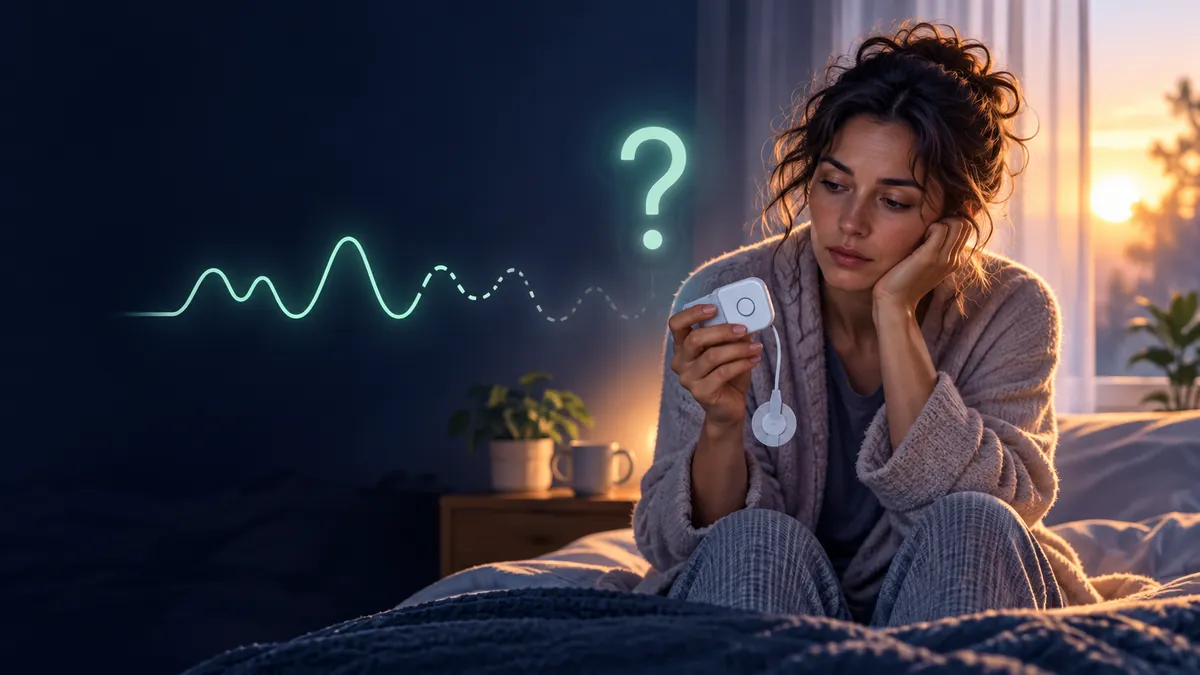
A negative home test does not rule out every sleep disorder or every case of sleep apnea. Sensor loss, short recording, an unusual sleep position and uncertain sleep time can all affect the result.
What does the evidence say?
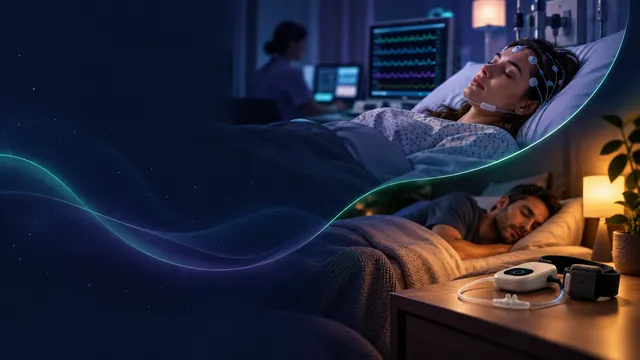
AASM recommends in-lab polysomnography when HSAT is negative, inconclusive or technically inadequate and clinical suspicion remains. Fatigue can also reflect insomnia, insufficient sleep, mood disorders, anemia, thyroid disease or medicines.
What to do next
Review recording quality and duration, then tell the ordering clinician that symptoms persist. Bring a sleep diary, medicine list and any witnessed breathing pauses.
Interpret with care
Do not dismiss severe sleepiness or driving risk because one test was negative. Stop driving and get to safety whenever drowsiness appears.
Put the reasoning together
The word “negative” matters less than test quality and pre-test risk. Unusual position, short sleep or imperfect sensor signals can hide the usual pattern.
A common misconception
Myth: a negative test means fatigue is a motivation problem. Test limitations and other medical or sleep causes still need review.
How to use this information
While preparing for testing, keep usual routines and record sleep time, position, alcohol, congestion and medicines. The goal is not to manufacture a “good” result but to capture a representative night. When results arrive, review signal quality, what was measured and why the recommended next step follows. Do not postpone care merely to complete a diary when warning signs are already clear.
Next-step checklist
- Check valid recording duration
- Note how the test night differed from usual
- Discuss persistent symptoms and other causes of fatigue
Bottom line
A negative HSAT does not end the process when suspicion remains. It starts a discussion about PSG or other causes of fatigue.
SleepBit records can make a clinical conversation more precise. Diagnosis and treatment changes should be decided with a clinician.