 SleepBit
Where Does Snoring Come From?
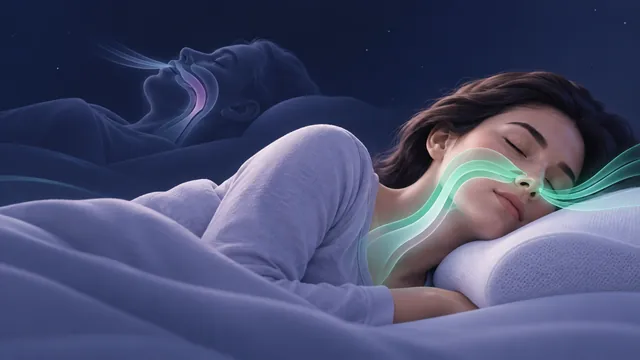
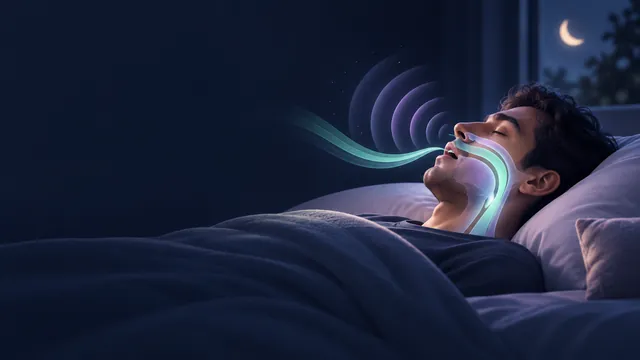
It is the sound of relaxed tissue vibrating around a narrowed airway.
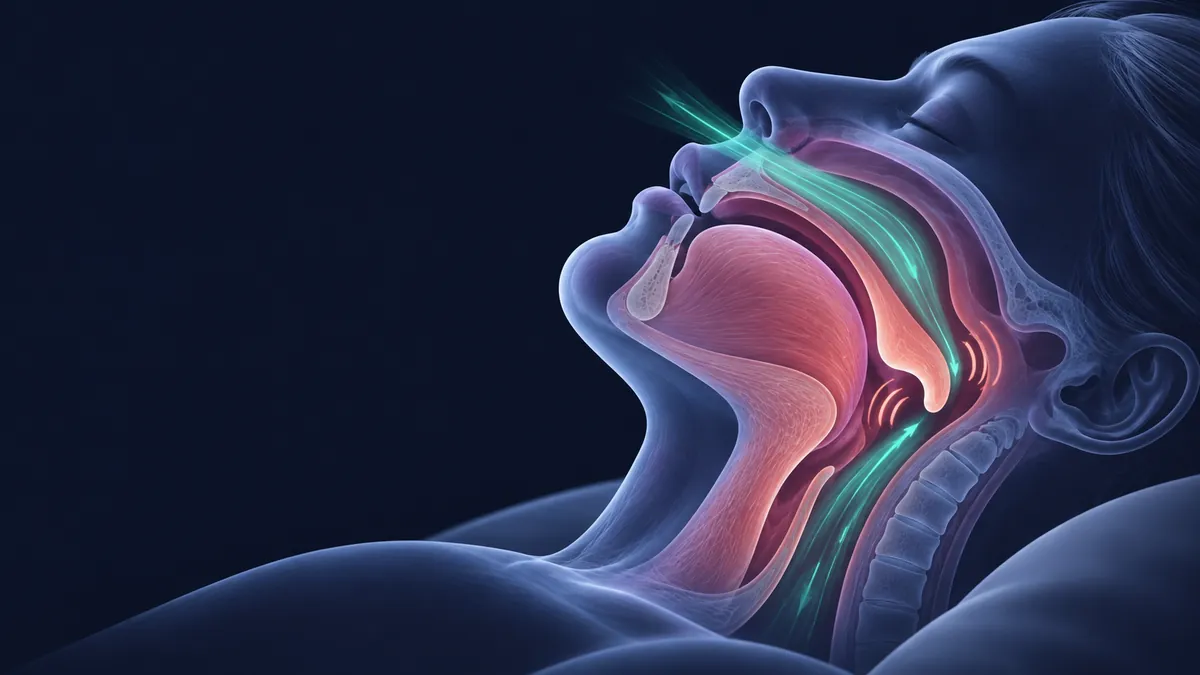
Snoring does not come only from the nose. During sleep, the upper airway from the back of the nose to the throat can narrow. Air moving through the smaller space makes soft tissue around the palate, uvula and tongue vibrate.
Why does the airway narrow after sleep begins?
Muscles relax during sleep, including those that support the airway. Nasal blockage, back sleeping, alcohol, body weight and individual anatomy can make the narrowing more pronounced.
Does louder always mean more dangerous?
No. Phone distance, room echo, bedding and background noise all change recorded loudness. Quiet snoring can coexist with breathing problems, while loud snoring alone does not prove sleep apnea.
Snoring and sleep apnea are not the same
Snoring is a sound. Sleep apnea is a breathing disorder in which airflow repeatedly drops or stops during sleep. They can occur together, but one does not automatically mean the other. Pauses followed by gasping, severe daytime sleepiness or morning headaches may warrant testing.
What can a recording tell you?
Recordings can show when and how often snoring-like sounds occur. Comparing several nights under similar conditions can reveal direction after a habit change. Sound alone cannot confirm oxygen level or sleep stage.
The most useful view combines the sound pattern with daytime symptoms and witnessed breathing changes.